Archive for March, 2007

Friday, March 23rd, 2007

Khus khus (cuscus) is grown almost throughout India. It is mainly used for its effects on circulatory and nervous sytem. It sooths the circulatory system and helps in regulating circulating system. It is pleasantly aromatic and forms a major constituent for some soaps.

Its Malayalam name is ramacham, Sanskrit name is ushira. It is related to lemon grass.

Vetiveria zizanoides is in the plant family poaceae.

Karna Poorana — Ayurvedic Ear Care

Friday, March 23rd, 2007

Karna poorana is an Ayurvedic therapeutic measure to cure different diseases affecting ear, neck and head. Karnapoorana or karna purana literally means filling the ear cavity. An Ayurveda practitioner prescribes specific medicated oil to fill external ear cavity based on the physique of the person and the specific requirements.

Comfortably warm medicated oil is filled into the ears, which is followed up with a massage around the ear and lower face. It removes ear-wax and relieves pressure from jaw and neck. karna poorana improves auditory sense and relieves itching, headaches, and earaches.

Rose -Flowers of Kerala

Friday, March 23rd, 2007

Perhaps no one in this world would fail to identify a rose. It would be curious to know that rose petals are used in Ayurveda to treat a variety of diseases and conditions like hypertension, asthma, bronchitis, circulatory problems, diarrhea, common cold, fever, insomnia, palpitation, infections in urinary tract, stress, and restlessness etc.

The use of rose extracts in aroma therapy is well known. The smell has a soothing effect on nervous system.

Rosa centrifolia is in the plant family rosaceae.

Dhooma Pana Ayurvedic Treatment Methods

Friday, March 23rd, 2007

Dhooma pana or dhooma panam is an Ayurvedic treatment method, which includes smoking the leaves or other parts of medicinal plants, mainly to cure respiratory or nervous disorders.

Dhoom pan or dhooma pan literally means smoking. Unlike cigarettes, it is medicines prescribed for specific conditions that the person inhales.

Dhoopanam is another form of inhalation of medicinal smoke, in which the person is left on a chamber filled with smoke from medicinal herbs.

Safed Musli (Chlorophytum borivilianum) — Ayurvedic Herbs

Friday, March 23rd, 2007

Safed musli (chlorophytum borivilianum) is another plant in liliaceae plant family. Reference to safed musli as an Ayurvedic herb is not visible in any ancient texts. However, the medicinal value of this plant is identified and this herb is used in a large scale for a variety of treatments and cures.

Modern researches have suggested the potential of safed musli (safed=white and musli=a tuber) as a rich source of proteins, alkaloids, vitamins, carbohydrates and other nutrients. Safed musli has aphrodisiac properties. There are aphrodisiac products coming in the market with safed musli as the main component.

It is a general body tonic and pain reliever. It also increase lactation. Ayurveda and Unani now recognize safed musli as an important component for many medicines.

It is widely cultivated in northern and western parts of India, but the demand far exceeds supply, hence the prices are on the high end now.

Safed musli is also spelt safed moosli and safed mosli.

Saffron (Kumkum, Crocus sativus) — Ayurvedic Herbs

Friday, March 23rd, 2007

Saffron (Crocus sativus) is an Ayurvedic herb used in the treatment of variety of physical and mental conditions. Saffron is called India’s royal spice, because of the exclusivity of the flowers of this herb that grows richly in Kashmir valley, but rarely in the plateau and plains. It is also estimated that it takes approximately 200,000 flowers to make a kilogram of saffron. Imagine the efforts one would require to produce saffron.

In Ayurveda, saffron, which is commonly called kum kum, kumkuma, kumkumam, etc, has a prominent position as a very special Ayurvedic herb. According to Ayurveda, saffron is capable of balancing all three doshas of tridosha. It also helps in providing nutrition to dhatus and release of ama or toxic bodily wastes. It is also an aphrodisiac and provides vitality to overall human system.

Friday, March 23rd, 2007

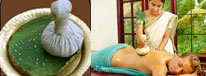
Udvartanam (or udhvartanam or udvarthanam) is a special Ayurvedic massage therapy, which includes the use of Ayurvedic herbal powders mixed in oil or milk.

It is mainly to regain lost luster of the skin. It reduces the amount of accumulated wastes from under the skin and opens the channels that bring energy to the skin surface, thus giving it a youthful glow. It enhances blood circulation. The choice of medicines in the herbal powder mix can reduce skin diseases. It is also usable in treatments of paralysis.

The therapy continues for 45 minutes a day and from 14 to 28 days.

Sandalwood — Ayurvedic Herbs

Friday, March 23rd, 2007

Sandalwood is a medium sized tree seen in the forests of India. Sandalwood oil extracted from the wood is the main usable part. The color of sandalwood core is white or light yellow when it is young and becomes dark saffron as it becomes old.

Its main application is in cosmetic purposes – it can moisturize skin that is dry and flaky. It can also relieve inflammations and itching.

Santalum Album appears in the plant family santalaceae.

Sarpagandhi (Rauwolfia Serpentina) Ayurvedic Herbs

Friday, March 23rd, 2007

Sarpagandhi (Rauwolfia serpentina) is an Ayurvedic herb, effective in reducing high blood pressure. The term sarpagandhi means something that has the smell (gandha) of a snake (sarpa). It is used in the treatment of snake bites and also for mental illnesses.

An extract from sarpagandhi root, named reserpine is used in the mental clinics as an alternative to electric shock treatment.

Rauwolfia serpentine is in the plant family apocynaceae.

Shilajit -Ayurvedic Herbs

Friday, March 23rd, 2007

Shilajit (Asphaltum) or mineral pitch is not an herbal product, but a unique mineral deposit found in high mountain rocks of the Himalayas. Ayurveda recognize shilajit as the most powerful rejuvenating substance available to humankind. Shilajit is known to give the physical power and actually reducing the apparent age of a person. Shila means a rock and shilajit means ‘rock borne’ or ‘rock like’.

Shilajit gives high levels of physical endurance, libido, enhanced nervous system and brain functioning. It is also a good medicine for blood sugar control. Its healing property makes it an additive to medicines used for healing wounds and broken bones. It revitalizes immune system, reduces instances of arthritis, reduce hypertension. It is often said that shilajit can be a component of almost any curable disease that affects man.

Friday, March 23rd, 2007

Bala (sida cardifolia) is an Ayurvedic herb that protects heart. Ancient Ayurveda practitioners used this herb as a medicine since more than 2000 years ago.

It is believed to possess aphrodisiac properties. It cures coughs, infections in urinary tract, fever, etc. Jaundice, tuberculosis, rheumatism, gonorrhea, nervous disorders, chronic dysentery etc are treated with this herb. It is also a treatment for insect bites and even snakebites.