Archive for March, 2007

Friday, March 23rd, 2007

One moola (root) of dasamoola (ten Ayurvedic herbal roots), yellow berried nightshade, commonly called in the names Choti Katheri, Kantakari, Kateli, Kanda kathiri or kandan kathiri in Malayalam, Nelamulaga in Tamil etc is seen in all parts of India.

The main medicinal part is its roots. It forms the main constituent for medicines for cough, asthma, etc. It is also a medicine for toothache. It is also used in the treatment of constipation.

In ancient times, it was used to promote female fertility.

Solanum Xanthocarpum is in the plant family Solanaceae.

Tejpatra (Cinnamomum Tamala) Ayurvedic Herbs

Friday, March 23rd, 2007

Tejpatra is an Ayurvedic herb that makes a condiment of different medicines. It is effective in regularizing blood circulation and also used in treating obesity. It enhances fat metabolism and reduces bad cholesterol from the blood.

It comes in the plant family lauraceae.

Thiruppan Pullu (Merremia Tridentata) Ayurvedic Medicinal Herbs

Friday, March 23rd, 2007

Thiruppan pullu is an annual creeper found in wastelands.

It has use as a fodder for goat and sheep.

As an Ayurveda herb, it is a tonic. It is used in the treatment of rheumatism, piles and urinary problems. A decoction prepared from the roots is also useful in treating toothache.

Merremia tridentate belongs to the family convolvulaceae.

Panchakarma – The Five types of treatment and rejuvenation

Friday, March 23rd, 2007

Panchakarma literally means five karmas or five methods of treatment in Ayurveda. Panchakarma is a set of five karmas or methods of flushing out accumulated toxic materials. The expelling of toxic materials from deep tissue is a complex thing. An Ayurvedic physician determines the type of panchakarma based on his constitution or prakriti, his physical condition and the season in which the treatment is conducted. Panch means five and karma means an action.

The five karmas in panchakarma are Vaman (vomiting), Virechan (purgation), Basti (enema), Nasya (nasal application) and Rakthamoksha (blood purification).

Purvakarma
Before the actual panchakarma, there is a purvakarma, which literally means ‘the preceding karma’. In this stage the physician gives the directions to prepare the body for the panchakarma chikitsa (treatment). Snehan and Swedan are the main two procedures. It takes up to seven days of snehan and swedan to prepare tridoshas receptive to the treatment.

Only after the purvakarma, the pachakarma starts. The panchakarma method is chosen according to the physical constitution (prakriti) and the disorder (vikriti) on the body.

Vaman
Vaman (vomiting or emesis therapy) is administered for kapha related disorders like bronchitis, colds, breathlessness, chronic asthma, diabetes, indigestion, etc. These are all due to excess mucus. The patient must go through purvakarma before administering vaman.

Virechan
Virechan (purgation therapy) is applied to relieve excess Pitta (in the form of bile) accumulated in the gall bladder, liver, small intestine etc. The result of accumulation of excess toxic materials will be rashes, inflammations, fever, nausea and jaundice.

Basti
Vata is dominant at the colon region. Basti (enema therapy) is used to flush out fallen doshas through intestinal tract. Enimas are of different kinds and they are well above 100. Basti is good for different kinds of vata disorders. Constipation, kidney stone, acidity, sexual disorders, arthritis, rheumatism etc are the diseases curable with basti.

Nasya
Nasya (nasal administration) is used to eliminate kapha related problems affecting eyes, ear, nose and throat. Migraine, sinusitis, bronchitis are the main diseases curable with nasya.

It is also regarded as treating prana (life). The life energy or prana enters our body through nose. It is also connected to brain and consciousness.

Raktha Moksha
Raktha Moksha (Blood Letting) is the technique to eliminate toxic substances accumulated in the blood stream. It is a process of purification of blood. Skin disorders like rash, acne, itching etc are due to impure blood. It regulates the action of pitta.

This treatment method is not suitable for children and elderly people and persons with anemia, general body weakness and similar problems.

Paschatkarma and Rasayana
After all the five or selected therapies of panchakarma, there is Paschatkarma. Paschatkarma or helps body re-establish its normal metabolism and immunity. Post treatment processes are essential to normalize digestion. It is only over many days that the persons can return to his normal diet through different steps of introduction of vegetables and other food items.

Rasayana chikitsa or rejuvenation therapy which includes administering of specific rasayana preparations that help bring back vitality and energy to the body.

After the Panchakarma chikitsa or panchakarma therapy, the persons need to follow a good dinacharya (daily routine) and normalize his/her daily activities according to the change of seasons (ritucharya).


Triphala, the Ayurvedic Fruit Combination with Multiple Benefits

Friday, March 23rd, 2007

Triphala literally means three fruits. In Ayurveda, triphala has a wide range of applications. The three fruits are amalaki (Indian gooseberry, Emblica officinalis), vibhitaki (Belleric Myrobalan, terminalia belerica) and haritaki (chebulic myrobalan, Terminanlia chebula).

Triphala is a balanced combination of all the three doshas – vata, pitta and kapha. It contributes to the balance of the doshas. Amalaki for pitta, vibhitaka for kapha and haritaki for vata. Ama, the accumulation of waste products in the body is the major reason for many diseases and physical conditions. Triphala, when used as a mild laxative uses the properties of haritaki, the third fruit of triphala and associated with vata, will remove the malas or wastes from the body, immediately reliving from indigestion, constipation, cold, etc.

The main advantages associated with triphala are good digestion, colon cleaning, blood purification, radiant skin, mental alertness, better eyesight etc.

Triphala is usually a combination of equal parts of all the three fruits in powdered form. When treating diseases affecting specific dosha, one can use an increased quantity of the fruit related to that specific dosha. For example while treating vata related diseases, one can use an excess of haritaki.

Triphala is mentioned in many parts of ancient Ayurvedic scripts. They are used for different purposes like blood cleansing, and as a laxative. Triphala is taken alone or in combination with other medications for a range of diseases and conditions.

Triphala is highly priced and comes as a fine powder. Water, ghee, honey etc are common mixtures for triphala. It also forms a major component for a range of decotions, medicated oils and medicines. Triphala is a main component for rasayanas.

It is generally agreed that small doses (2 grams) can be taken for longer periods, while a high dose (10 to 15 grams) on a very short term. The high dose will act as a laxative and is safe for even children. The laxative is brought in by haritaki. Other two fruits – amalaki and vibhitaka – strengthen the digestive tract. Amalaki is the factor of triphala that strengthens eye and improves eyesight.

Triphala, when not part of other medicines can be taken with honey, milk, ghee or warm water. If the person is suffering from vata related condition, he/she can take it with two parts ghee and a part honey. If pitta, it is ghee only and for kapha related conditions, only honey is used. One can take warm water a few minutes after ingesting triphala.

Ayurvedic Remedies

Friday, March 23rd, 2007

Ayurveda remedies or treatment of any major kind is determined after determining the prakriti (general conditions) of a person and determining dominant dosha of the tridosha. However, Ayurvedic remedies are used for specific illnesses only. Mostly herbs – a single herb or a combination of herbs, certain spices, other plant products and minerals form the medicine.

For example, people (in Kerala) would take a few leaves of Tulsi (Ocimum tenuiflorum) or Tulasi with two or three grains of pepper as a remedy for simple cough. There are several such readily available Ayurvedic remedies for almost all common diseases.

Ayurvedic remedies or Ayurvedic treatments like panchakarma, marma chikitsa, etc requires specialized training and preparation of medicines through different processes that last for many days.

The purpose of Ayurvedic treatments is to keep tridoshas at balance. An imbalance in the balance of a dosha is a disease condition. Imbalance of any one dosha of the tridosha also causes imbalance to the other two doshas as well.

Ayurvedic treatment goes through three main stages.

1. Samsodhana (cleansing process)
2. Samsamana (palliative care)
3. Nidhanaparivarjana (treating the causes)

Panchakarma falls in Samsodhana or the cleansing process.

Purva Karma before Panchakarma in Ayurveda

Friday, March 23rd, 2007

Purva karma (or poorva karma or pre-karma) refers to the preparation of body for Ayurvedic panchakarma therapy. There are two different methods in purvakarma – snehan and swedan. Purva karma is necessary for the body to achieve the complete benefits of panchakarma. Purvakarma can complete in one day or over many days.

Snehan — is oil therapy or olation therapy. It has two different parts.

The first part includes taking medicated ghee (ghruta) or medicated edible oil. It reduces the dryness of the body and open the srotas (channels) of body by working on all the dhatus of sapta dhatu. This is important to drive the ama and mala out of the body with panchakarma. This step frees, and mobilizes the waste matters accumulated over different parts of the body. This step adds to the efficiency of panchakarma. A poorly administered purvakarma can hinder the effectiveness of panchakarma therapy.

The second part includes medicated oil massages. The skin absorbs the medicinal parts of the oils to the blood.

Swedan
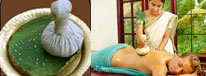
Swedan is given after snehan. It includes steam bathing or heating the body to facilitate sweating. There can be different types of fomentation, like heating the specific area or whole body below neck according to the specific requirements.

The choice of snehan and swedan depends on the specific conditions of the patient and his/her requirements.

Virechan – Purgation Therapy of Panchakarma

Friday, March 23rd, 2007

Virechan is the second among the five karmas of Pancha karma. Virechan karma is to address pitta induced diseases. Excess bile (pitta) accumulated in liver, small intestine, can cause skin problems, nausea, jaundice, fever, vomiting etc…  Virechan is the method of flushing out accumulated pitta dosha elements from the body to create a healthy state.

The person is given snehan (oil massage) and/or swedan (fomentation) early in the morning before virechan. The person shall not eat any food that can aggravate pitta. The person is given lot of coconut water in the daytime.

There is a range of purgatives, and the effectiveness varies from mild to strong. Warm milk, raising, mango juice etc are mild purgatives. Prune flax, dandelion root etc are moderate purgatives. It can be made powerful by a heavy dose. Senna leaves, prune, bran, flax seed, root of dandelion, milk with ghee, castor oil, ginger, triphala, etc can act as virechan substances. The physician chooses a combination based on the physical conditions of the person.

Virechan is given at the bed time and the results will be visible the next day in the form of loose motion one or two times. There is however nothing to worry about loose bowels, as it is part of the cleaning procedure to expel excess pitta from the system.

Persons suffering from dehydration due to diarrhea or vomiting, fever, etc shall not take this therapy.

The success of virechan also shows more positive mental conditioning. Positive thoughts and will feel light and confident.

Ummam (Datura Stramonium) -Ayurveda Medicinal Plants

Friday, March 23rd, 2007

Ummam (Datura stramonium) is a quick growing wild perennial herb common in rural and semi forest areas of Kerala. The flowers look like creamy-white, long, large bells.

The fruits and roots of ummam are used in different Ayurveda medicines. The leaves are narcotic. They are used in the treatment of asthma.

Ummam is also the chief ingredient of Kanaka Asava, a preparatory Ayurvedic medicine.

Datura stramonium belongs to the family solanaceae.

Vaman Karma of Panchakarma

Friday, March 23rd, 2007

Vaman is the method to purify lungs and breathing system to address diseases like bronchitis, asthma, cough, cold, etc caused due to congestion of lungs and respiratory track.

Vaman is therapeutic vomiting administered to expel excess kapha dosha that causes mucus.

In the night before vaman, Snehan (oil massage) and Swedan (fomentation) is given to the person. The man is given three-four glassed of salt water. Rubbing the base of tongue also stimulate vomiting. Gag reflex at work here. Other substances that can induce vomiting are vep (neem) leaves, cedrus deodar, etc.

Many times you can see released of suppressed emotions that were forcefully held back. The person feels relieved after vomiting, because of the expelling of excess kapha that accumulated in the body as mucus.

The person also shall take certain medication two-three days before vaman, until the stool becomes loose, or until he feels overly nauseated. The main aim for the purvakarma is to aggravate kapha, hence the proposal of kaphagenic food. Vaman is also given in the kapha muhurtha or kapha time, which is early in the morning.

Vaman is administered for all disorders associated with Kapha. Dizziness, headache, nausea, are also treated with vaman therapy. Administered carefully, vaman is the best treatment for all respiratory problems. Only an experienced Ayurvedic practitioner can recommend the type of vaman karma of panchakarma to a person.

The person will feel instant relief from chest congestion, and will be able to breathe freely. After vaman, the person has to observe fast until evening, when he is given boiled rice with ghee. Honey, lime tea, etc are also given in small quantities.

After vaman, the person shall not suppress any natural urges – like urination, defecation, sneezing, belching, etc.

Vaman is not for everyone. Children below age 12 and persons aged 65 or more are not fit for this kind of therapy. Persons with anxiety, fear, grief, etc too are not fit. Persons with vata diseases are also not given vaman therapy. Diarrhea, heart diseases, obesity, etc too prevent the physician from administering vaman.

Friday, March 23rd, 2007

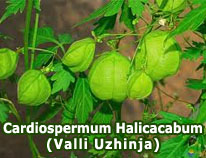
Uzhinja (Cardiospermum halicacabum), also known as balloon vine has different applications as an Ayurvedic herb. It is used to treat inflammations, itches, rashes, eczema, hives and allergic reactions. It is also used in the treatment of nasal sinuses. Ayurveda considers this herb as diuretic, emetic, laxative and refrigerant.