Archive for March, 2007

Friday, March 23rd, 2007

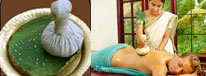
Thailam (Thaila) is Ayurvedic massage oil. There are hundreds of different types of thailam used for different purposes. Application of thaila by means of massage is equivalent to injecting medicines to the body. The massage helps the blood to absorb most of the content of the thaila directly to the blood and cure the areas of injury.

Sports medicine (kalaripayattu) used different types of thyla massages to bring forth flexibility to the body and in treating sports injuries by massaging.

Only a qualified person can give thaila massage as there are specific methods of applying pressure at limbs, torso, joints and neck. A wrong method can worsen the injury.

Thaila are prepared mainly with coconut oil as the base and boiled with many medicinal herbs. There are hundreds of thaila based on the herbs used and based on the purpose of the thaila.

Thaila of different types are available to cure arthritis pain, joint injuries, reshaping out of shape limbs, etc. Ayurveda practitioners in Kerala can treat broken limbs by proper massage and application of medicated oil. The broken bones are placed in the right manner. The pieces of bone are got to place by careful massage. The bones are then made immobile by tying some solid pieces of coconut leaves after wrapping them with cotton cloth dipped in medicated oil. In most cases the bone will fuse together in two or three weeks.

Thailas are extremely powerful. Thaila prepared for one specific function may not be beneficial in another case. Sometimes it can be even counter productive.

Gulika or Pills in Ayurvedic Treatment

Friday, March 23rd, 2007

Ayurveda acharyas from the distant past have prescribed the making of Gulika (Malayalam word, it means ‘a pill’) or vati (Sanskrit word for a pill).

Ayurvedic pills are herbal combinations manufactured for long-term safe storage.

Friday, March 23rd, 2007

Choornam is an herbal powder. Grounding of the herbs provide to storage of the medicine for longer periods without using any preservatives.

Ayurvedic choorna sometimes are used as such – like the one in nasya (nasal administration) therapy or dantha dhawana choornam or the Ayurvedic powder used for cleaning teeth.

Sometimes the choornas are taken in with milk, ghee, or mixed in warm water.

Kashaya, Kashayam (Ayurvedic Herbal Decoctions)

Friday, March 23rd, 2007

Kashaya or kashayam is the commonest type of Ayurvedic medicines. Most kashaya are internally administered while a few of them are used for enigma.

Kashayas are herbal combination decoctions derived after several hours of boiling at specific heat. Medicinal herbs are added at the right intervals to retain optimum quality of the medicine. Kashaya can be as simple as a herbal tea (basil leaf tea) to very complex kashayas with thirty to hundred different herbs in the right combination.

The parts of plants used in kashaya production can be leaves, flowers or roots. Sometimes the whole plant is used in the preparation of the kashaya.

Lehya or Lehyam (Ayurvedic Jam)

Friday, March 23rd, 2007

Lehyam is a herbal extract in the shape of jam, used in the cure of respiratory and digestive problems and as a general body tonic. The components of lehya are easily absorbed to the body, starting from the mouth.

Some preparations doesn’t use any of milk, ghee or oil, but many use them. They smell sweet, is semi solid and floats on water.

Lehyas are used as restoration medicine.

Ghrit, Ghritam Ayurvedic Medicated Ghee

Friday, March 23rd, 2007

Ghrit or ghritam literally means medicated ghee. It is high fat content Ayurvedic medicine prescribed for persons suffering from weaknesses or as a medicine for quick restoration of health. These medicines are meant for restoration of physical strength, vitality and vigor.

The ghrits are prescribed only by a practicing Ayurvedic physician. A ghrit is selected based on the requirements of the person. Ghrits are usually taken with milk or water. The digestive capacity of the person determines the dose for the person.

Medicated ghrits or medicinal ghee also prevent and treat ulcers.

Asavam

Friday, March 23rd, 2007

Asavam are herbal decoctions prepared from fresh plants. It is similar to arishtams, except this the herbal juices are not fermented before boiling as in arishtam.

Aravindasavam -Ayurvedic Medicines

Friday, March 23rd, 2007

Aravidasavam is an Ayurvedic medicine, useful in the treatment of certain skin diseases, loss of appetite, and digestive problems in children. It is also recommended as a general health tonic for children. It can help in healthy growth of body.

The ingredients for Aravindasavam
Lotus flower, sida, honey, sugar, raisins, nutgrass, cardamom, sida, arjuna myrobalan, Belleric myrobalan, chebulic myrobalan, licorice, vetiver, snake gourd, monochoria, Indian sarsaparilla and sweet flag.

Ayurvedic Medicines

Friday, March 23rd, 2007

Ayurvedic medicines were designed to strengthen the body to regain balance caused due to any imbalances. The prime requirement of Ayurvedic medicines is that it must not have any side effects. The preparation methods of medicines are described in ancient Ayurvedic texts. The raw materials of medicines are mainly herbs, followed by minerals and metals.

There are specific regulations to pick the plants, minerals or metals and purification methods to make them usable to human body.

The quality of herbs varies with seasonal variations and environment. Dravya Guna Vignan is a branch of Ayurveda that deals with the quality of herbs and minerals used for preparing medicines. This branch of study gives directions to pick the right type of herbs, grown under the right conditions and at the right place.

There are different forms of medicines in Ayurveda. Herbal decoctions (kashaya), massage oils (thaila), tablets (gulika), powders (choorna) and smoke (dhooma) are the main ones. Each one of them is prepared under the guidance of an experienced physician and in strict quality control measures.

The dose of the medicines also varies with the condition of the person and his or her age.

All Ayurvedic medicines are herbal combinations. Single herb remedies are there, but preparatory medicines are always herbal combinations. The reason for herbal combination is for the overall balancing effect of the body. Strengthening one area shall not weaken any other function of the body. That is when treating respiratory diseases; the medicine shall not bring any imbalances to heart or digestive system.

One thing about Ayurvedic medicines is that different medicines are not prepared in a room. The smoke and smell from one vessel can affect the quality of the next medicine. Such a thing shall not be allowed to happen.

The quality of the packing material is also another matter of concern. In modern times, Ayurvedic medicines are found to come packed in plastic jars. Though very difficult it is advisable to use only china jars or glass bottles. There is difficulty in handling medicines when packed in such hard and easy to break materials.

It is not a problem if the medicine is not shipped to very long distances.

The medicines give highest results when different factors like the season and location of the cultivation of the herb, the preparation method, storage method and the right medicine combination and diet adjustment for the person.

Classification of Medicines by Ayurveda Acharyas

Friday, March 23rd, 2007

Different Acharyas (great teachers) of Ayurveda have classified Ayurvedic medicines differently. According to Charaka, there are 50 groups of medicines, Sushruta classified medicines into 37 categories and Vagbhata classified Ayurvedic medicines into 31 groups.

Here is a list of classification of types of Ayurveda medicines by Acharya Sushrutha.

1. Jeevaneeyam (promoting life)
2. Brimhaneeyam (promoting growth)
3. Lekhaniyam (reducing growth)
4. Bhedaneeyam (promoting evacuation)
5. Sandhaaneeyam (promoting virility and efficiency to produce offsprings)
6. Deepaneeyam (promoting appetite)
7. Balyam (promoting bodily strength)
8. Varnyam (promoting complexion)
9. Kantyam (promoting voice)
10. Hridyam (creating pleasant feeling)
11. Triptighnam (reducing satisfaction)
12. Arsoghnam (treating piles)
13. Kustaghnam (treating skin diseases)
14. Kandughnam (treating itching)
15. Krimighnam (destroying parasites and intestinal worms)
16. Vishaghnam (eliminating toxin of poison effects)
17. Sthanyajananam (inducing lactation)
18. Sthanysodhanam (purifying breast milk)
19. Sukrajananam (promoting sperm production)
20. Sukrasodhanam (purifying sperm)
21. Snehopagam (promoting lubrication by oil secretion)
22. Swedopagam (promoting sweating)
23. Vamanopagam (promoting vomiting)
24. Virechanopagam (promoting purgation)
25. Aasthaapanopagam (non-oily enemata)
26. Anuvaasanopagam (Oily Enemata)
27. Sirovirechaniyam (evicting diseases that affect head)
28. Chardinigrahanam (control vomiting)
29. Trishnaanigrahanam (capable of controlling thirst)
30. Hiccanigrahanam (treating hiccough)
31. Purisha Sangrahaneeyam (reducing faecal matter)
32. Purisha Virajaneeyam (purifying faecal matter)
33. Mutra Sangrahaneeyam (reducing urine secretion)
34. Mutra Virajaneeyam (purifying urine)
35. Mutra virechaneeyam (increasing urine)
36. Kaasa Hara (destroying cough)
37. Swasahara (destroying dyspepsia)
38. Swayathuhara (destroying swelling)
39. Jwaraharam (destroying fever)
40. Sramaharam (relieving exhaustion)
41. Daahaprasamanam (relieving unnatural sensation of thirst)
42. Seethaprasamanam (relieving cold)
43. Udardaprasamanam (relieving rashes)
44. Angamardaprasamanam (relieving pain in body parts)
45. Sulaprasamanam (relieving colic)
46. Sonitaasthaapanam (restoring blood)
47. vedanaasthaapana (relieving pain)
48. Prajaasthaapana (restoring consciousness)
49. Prajaasthaapana (pregnancy care)
50. Vayasthapana (arresting aging)

These 50 are the types of Ayurvedic medicines according to Sushruta Acharya. 

Arishtam – Ayurvedic Medicines (Fermented Decoctions)

Friday, March 23rd, 2007

Arishtam is a medicine prepared mainly by fermentation of medicinal herbs. Arista or Asava treatment is suggested for a variety of diseases and conditions. The difference between arishta and asava is simple – arishta is prepared from the essence of medicinal herbs while asava is prepared from fresh herbs. They are powerful herbal combinations that enhances digestive system, increase appetite, while eliminating accumulated toxic waste materials (ama) in the body.

Digestive power (agni) is enhanced by a proper arishta. Agni gives digestive power to the digestive system. A strong digestive fire (agni) will elminate accumulated ama (bodily wastes – toxins) and facilitates absorption of nutrients to the body. Weak digestion is the basis of many diseases.

The main arishtams and asavas are:

Dasamoolarishtam – dasamoola arishtam, dashmoolarisht, dashamoolarishta
Draksharishtam – draksha arishtam
Balarishtam
Jeerakarishtam – jeeraka arishtam
Pippalyasavam – pippaly asavam, pippaly asava
Aswagandharishtam – aswaganda arishtam, aswagandha arishtam, ashwagantha arishtam, ashwagantharishtam
Saraswatharishatam –
Apart from the effects on digestive system, arishtams and asavas also have influence on nervous system, respiratory system, etc. They are used in the treatment of asthma and other breathing problems, anemia, certain heart disorders, arthritis or rheumatism related joint pain, back pain, numbness, liver disorders, psychosis, epilepsy, insomnia, stammering, loss of memory, depression, etc.

Arishtas generally give quick results, mainly because of the presence of the factors that stimulate agni, digestive power.